 English
 Turkish
 05 MAYIS 2026


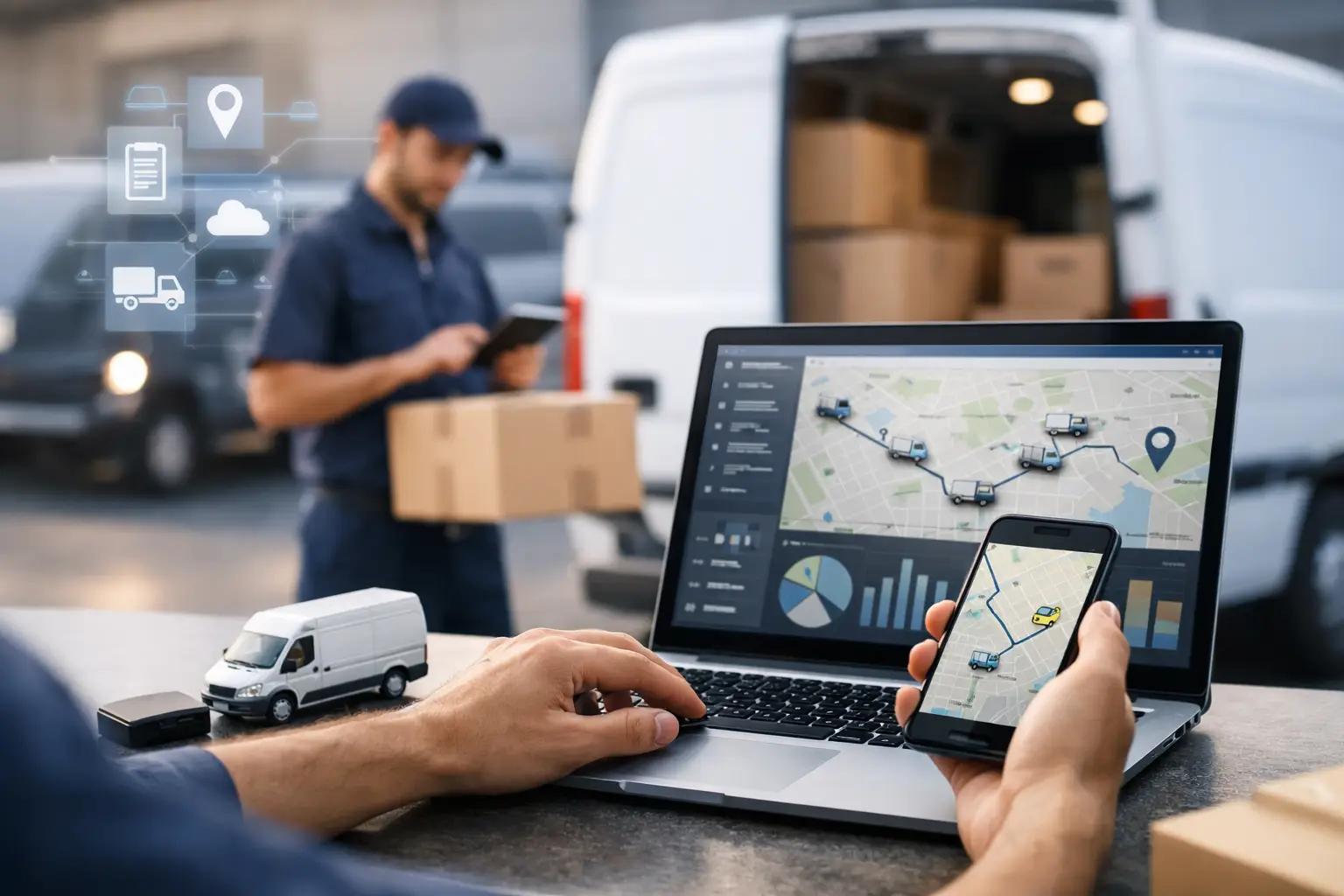
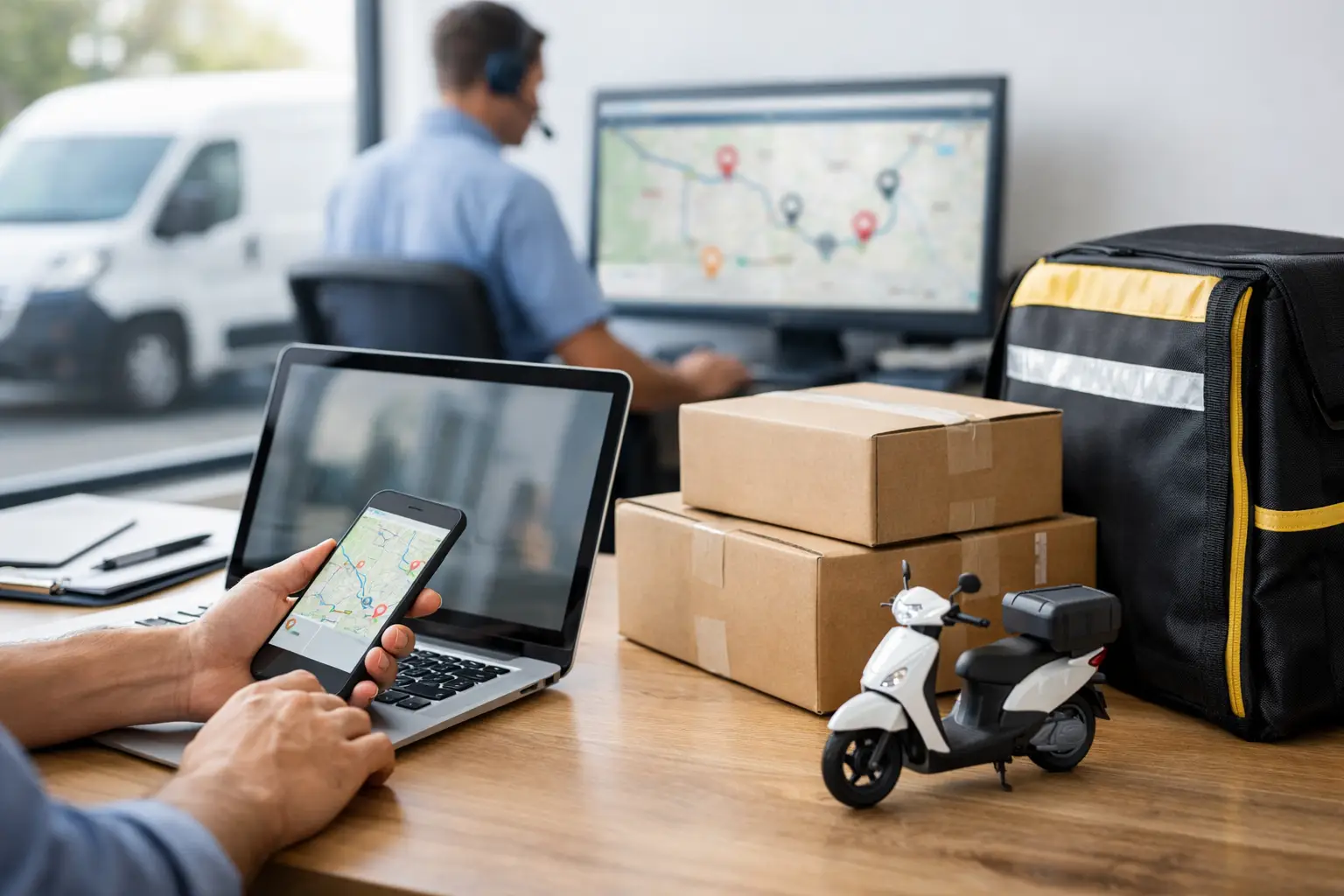
A delivery delay is often caused not by traffic, but by unseen operational gaps. A last-minute address change received by phone, a late delivery order to the field, a manual delivery record, or not knowing which vehicle is where can disrupt the entire plan within hours. Therefore, the question of how to digitize delivery operations is no longer just about technology investment, but directly about profitability, speed, and customer satisfaction.
Digitalization in delivery operations doesn't just mean giving the courier a mobile application. The real transformation begins with managing the entire process, from the moment the order is placed to the moment delivery is confirmed, within a single data stream. When the operations center, field team, customer service, and managers can look at the same data, decision-making speeds up, the error rate decreases, and scaling proceeds more controllably.
The right starting point isn't buying software, but clearly outlining the existing workflow. Many businesses mistakenly believe the problem in the field is a shortage of vehicles or personnel. However, the real issue often lies in the task assignment logic, data entry, confirmation mechanisms, or customer information processes.
Therefore, a snapshot of the current operation must be taken first. Which channel does the order come from, who approves it, what rules govern its route, what information is collected during delivery, how is failed delivery managed, and where is this data stored? If the answers to these questions are unclear, digitalization will proceed haphazardly, and the return on investment will be delayed.
The second step is to identify the points in the operation that create manual burden. Creating routes with Excel, directing couriers over the phone, collecting delivery proofs on paper, or manually compiling reports at the end of the day may seem to work in the short term. However, this structure is unsustainable when volume increases. This is where digitalization generates the most value.
The digitalization of delivery operations consists of several layers. If one of these layers is missing, the system will function but the expected efficiency will not be achieved.
The first requirement is the centralized collection of delivery requests. Orders can come from the e-commerce infrastructure, call center, dealer network, or corporate customer panel. If these requests are not processed on a single screen with standard rules, the operations team will constantly have to perform manual checks.
Thanks to digital task management, each work order is classified according to priority, region, time window, vehicle type, and delivery type. This systematizes which job is assigned to whom, when, and under what conditions. This structure also facilitates capacity planning when operations become congested.
A large portion of delivery costs stem from field movement. Fuel, time, vehicle utilization, and personnel efficiency are directly dependent on route quality. Manual planning becomes insufficient beyond a certain point, even with experienced teams.
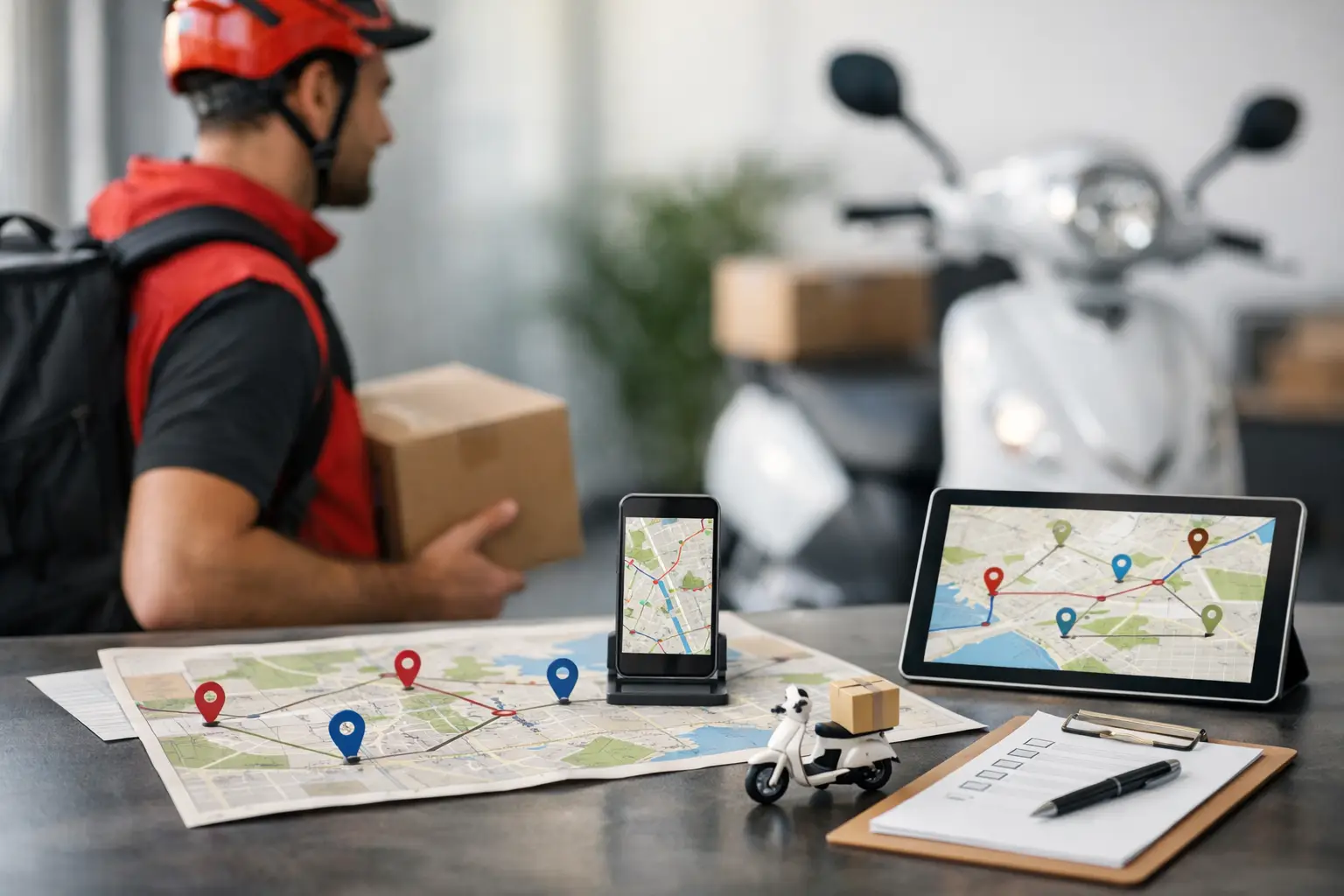
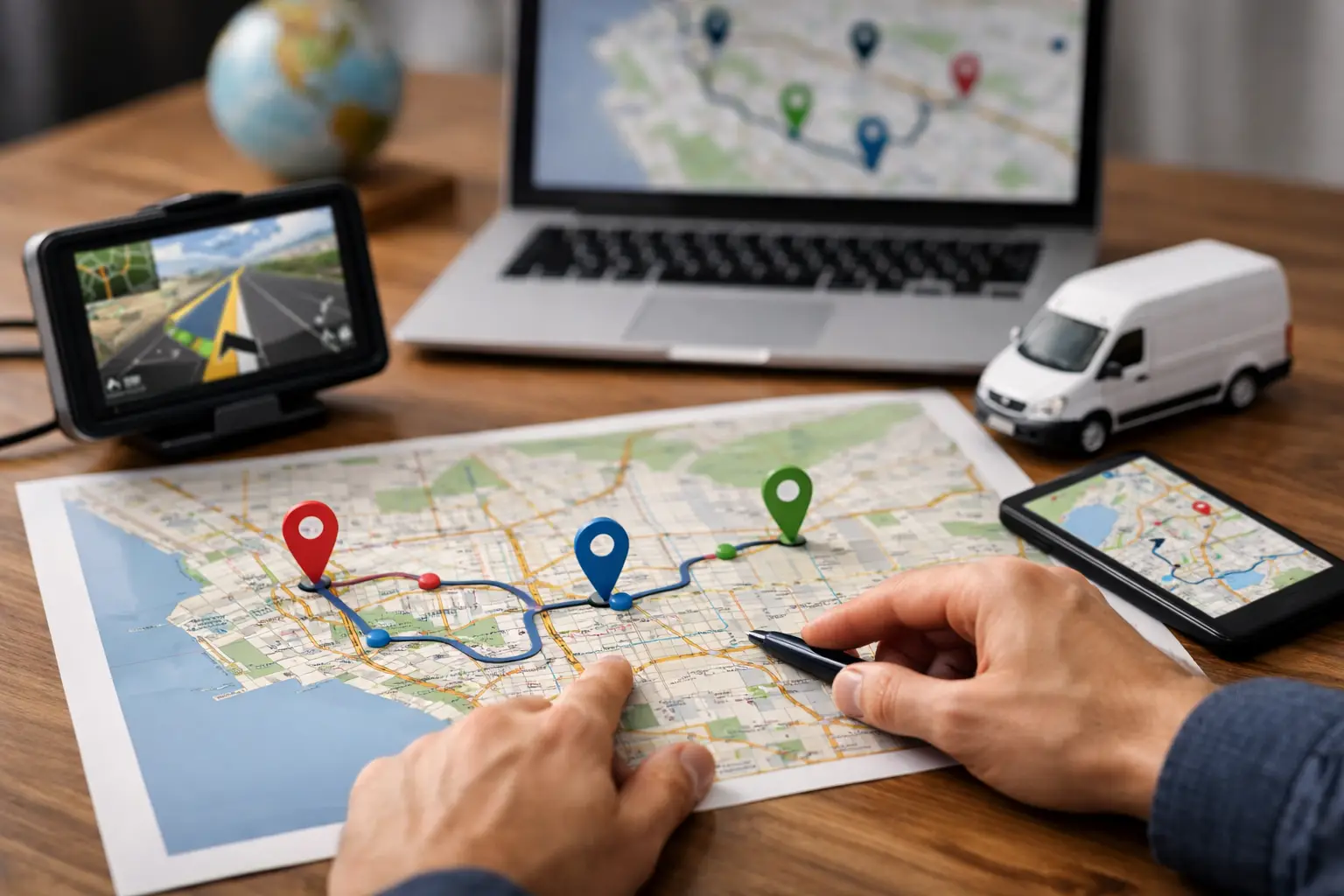
Digital route planning evaluates delivery points considering variables such as traffic, distance, time commitment, vehicle capacity, and courier availability. The key point here is that the shortest route is not always the best route. The optimization model differs in scenarios such as cold chain transport, same-day delivery, or delivery within a specific timeframe. Therefore, the system used must adapt to the type of operation.
A model that doesn't digitize the field remains incomplete, no matter how good it looks from the center. The courier mobile application combines the task list, navigation directions, delivery notes, customer contact details, and proof of delivery on a single screen.
The benefit here isn't just speed. Thanks to standard data collection, operational quality becomes measurable. Critical data such as which deliveries were completed on the first attempt, which areas experienced increased delay rates, and which drivers deviated from the designated flow are regularly collected from the field.
For decision-makers, one of the most powerful outcomes of digitalization is visibility. Where are the vehicles, which deliveries are at risk, in which areas is the probability of delays increasing, and will the promise made to the customer be kept? When these questions cannot be answered in real time, customer service reacts passively, and the operations manager only intervenes after a problem arises.
A live tracking infrastructure should not be used simply to see vehicles on a map. Its real value lies in combining this data with alarm mechanisms and performance reports. The system should be able to generate alerts when defined SLA times are exceeded, when routes are deviated from, or when delivery attempts fail..
A business's delivery operation doesn't exist in isolation. It's constantly exchanging data with ERP, CRM, e-commerce infrastructure, marketplace systems, accounting tools, and customer notification services. Therefore, integration is one of the most critical answers to the question of how to digitize delivery operations.
If orders are kept in one place, delivery tracking in another panel, and customer information in yet another software, teams will repeatedly perform the same task. The risk of errors increases, data accuracy deteriorates, and reporting reliability is lost. Thanks to powerful API-based integrations, orders flow automatically, status updates are synchronized instantly, and operations are managed from a single source.
It's crucial to note that integration shouldn't be viewed solely as a technical connection. Data format, business rules, error scenarios, and user roles must be designed from the outset. Otherwise, integration may appear complete, but processes will still require manual intervention.
In delivery operations, the justification for technology investment lies in the visible results. A well-designed digital infrastructure typically reduces cost per delivery, lowers failure rates, balances vehicle and courier utilization, and lightens the burden of customer communication.
However, the impact varies from business to business. For a fast-moving consumer goods delivery company, adherence to delivery window metrics might be a critical factor. In e-commerce, customer notification and first-attempt success rate could be more decisive. For corporate delivery companies, proof of delivery, contractual SLA tracking, and reportability are paramount. In short, digitalization can be achieved with the same tools, but the success criteria vary depending on the business model.
Many companies plan digitalization as a single, major transformation, which prolongs the implementation period. However, a more accurate approach is to create a highly impactful but manageable phase plan. First, visibility and task management are implemented, followed by route optimization, mobile processes, and advanced reporting.
Another common mistake is excluding the field team from the process. A system that doesn't involve couriers and operations personnel will fail in real life, even if it looks right on paper. User experience, training, and feedback from the field are therefore crucial.
Another critical issue is choosing a system based solely on current volume. When delivery volume grows, new cities are added, or different delivery models are adopted, the infrastructure needs to be flexible. Systems that seem cheap in the short term but are not scalable increase the total cost.
The level of need differs between a business making dozens of deliveries a day and a structure managing thousands, but the threshold for digitalization is lower than commonly believed. Manual structures quickly become congested, especially in companies that handle multi-point distribution, manage field teams, share customer delivery information, or aim for operational growth.
For brands with local distribution networks, businesses running courier operations, cargo and logistics companies, structures managing chain store shipments, and startups offering service-based delivery, digital control is no longer an added advantage but a fundamental requirement. At this point, delivery-focused technologies like Sentigo not only make operations traceable but also improve the quality of decision-making.
An effective model requires three balances: operational realism, technological flexibility, and measurable performance. The system must conform to the reality on the ground, integrate with existing infrastructures, and generate clear KPIs for management. If any of these three is missing, the impact of the investment will be limited.
The most accurate question to start with is: Which process should we automate to see the quickest impact? For some firms, this is route planning, for others live tracking, and for others delivery proof collection and customer notification. When the priority is correctly determined, digitalization is adopted more quickly, and teams begin to see results instead of resisting change.
Digitalization in delivery operations is not done to create a technology showcase, but to avoid losing control as growth progresses. As processes become clearer, data is centralized, and field movement is managed in real time, operations become more predictable. This is where the real value for decision-makers begins: less uncertainty, higher service quality, and an operational infrastructure capable of supporting growth.
This content has been prepared by the Sentigo Editorial Board.