 English
 Turkish
 05 MAYIS 2026


In most operations, the delivery budget is depleted not at the warehouse, but at the final approach to the door. Especially in urban deliveries, the combination of traffic, failed delivery attempts, unplanned routes, and low vehicle utilization raises the same question: how to reduce last-mile costs? The answer lies not in a single discount item, but in making the entire operation visible and manageable.
The final mile is the most volatile part of the delivery chain. A plan that leaves the warehouse can be disrupted by reality in the field within hours. Traffic congestion increases, the customer isn't at the address, orders are unevenly distributed throughout the day, and the workload per courier is misdistributed. Ultimately, it's not the cost per mile that increases, but the total cost per delivery.
The critical point here is that this cost increase often stems not from something as visible as fuel prices, but from operational disorganization. Two separate vehicles leaving for the same neighborhood at different times, a delivery being rescheduled due to incomplete information, or orders being manually assigned – these are all subtle but impactful losses.
Cost reduction efforts often start in the wrong place. Many businesses first look at courier fees, fuel, or outsourcing. However, the first step should be to clearly measure where the cost is occurring.
Decisions made without monitoring cost per delivery, daily deliveries per vehicle, failure rate, redelivery rate, average stop time, and route deviation rate are often superficial. This is because the seemingly expensive item is sometimes not the real problem. For example, the fee per courier might be high, but if that same courier is making many more successful deliveries, they might actually be driving down the overall cost.
The right approach is to manage operations with data, not feeling. This requires regular visibility into areas such as live tracking, route performance analysis, order density mapping, and courier efficiency.
Cost-generating factors in the field are often interconnected. The most common scenario is a combination of unplanned order flow and poor field coordination. If orders are distributed manually, courier assignments are made on the fly, and customer communication is weak, the operation naturally becomes expensive.
In addition, the incorrect breakdown of delivery zones is a significant problem. A distribution that appears balanced on paper can create significant time differences under real traffic conditions. The same distance in kilometers can mean completely different costs at different times and in different districts.
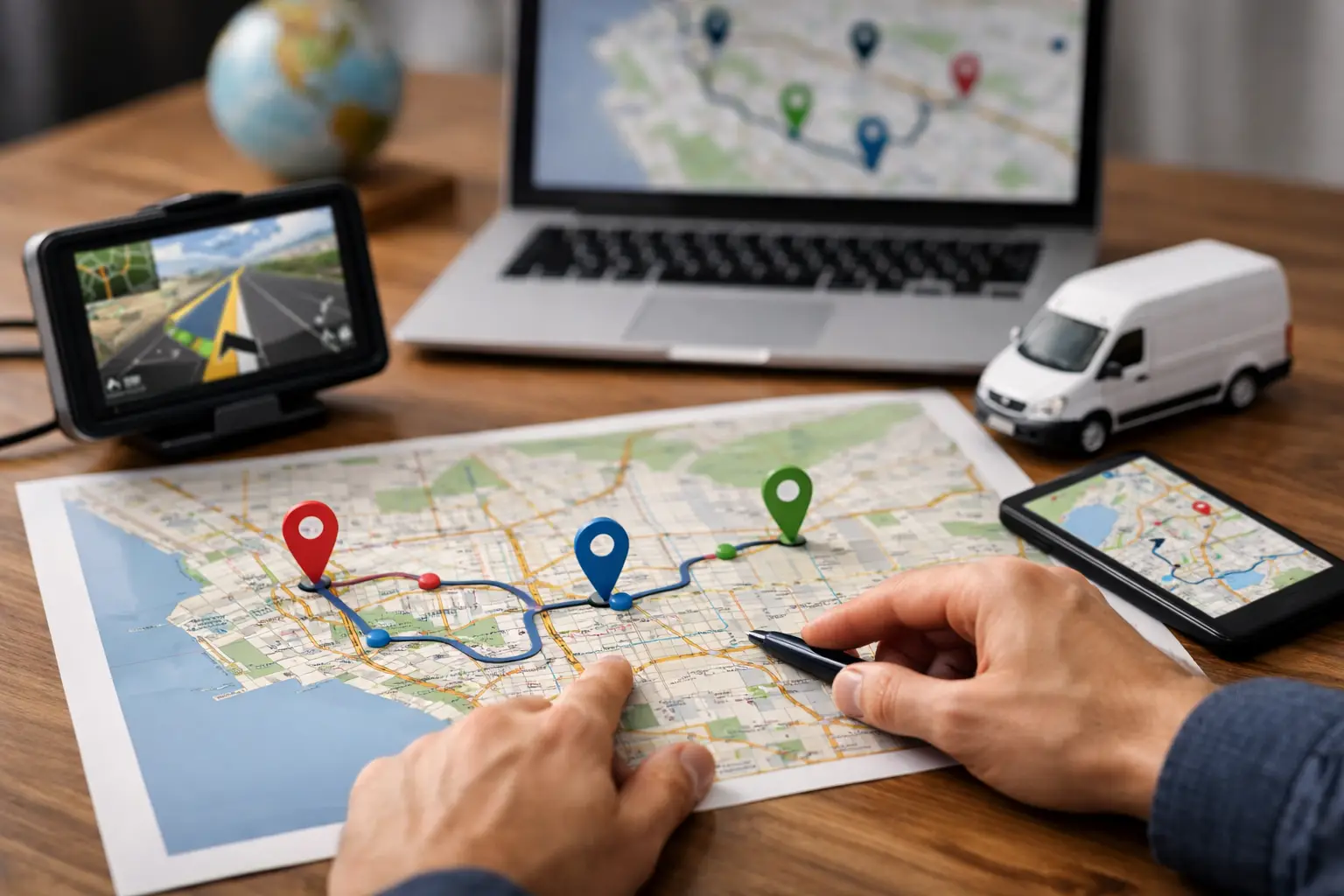
One of the strongest answers to the question of how to reduce last-mile costs is route planning. However, the classic mistake here is thinking the shortest route is the best route. In the field, the shortest distance doesn't always mean the lowest cost.
Good route planning considers delivery time intervals, vehicle capacity, traffic density, order priorities, and courier availability together. The goal is not just to reduce mileage, but to increase efficiency per stop. A courier making 24 successful deliveries instead of 18 in a day can lower the unit cost even if mileage doesn't decrease.
Dynamic route planning is crucial here. When cancellations, new orders, or delays throughout the day are not reflected in the system instantly, the field plan quickly becomes inefficient. Static plans look good in the morning, but they generate costs in the afternoon.
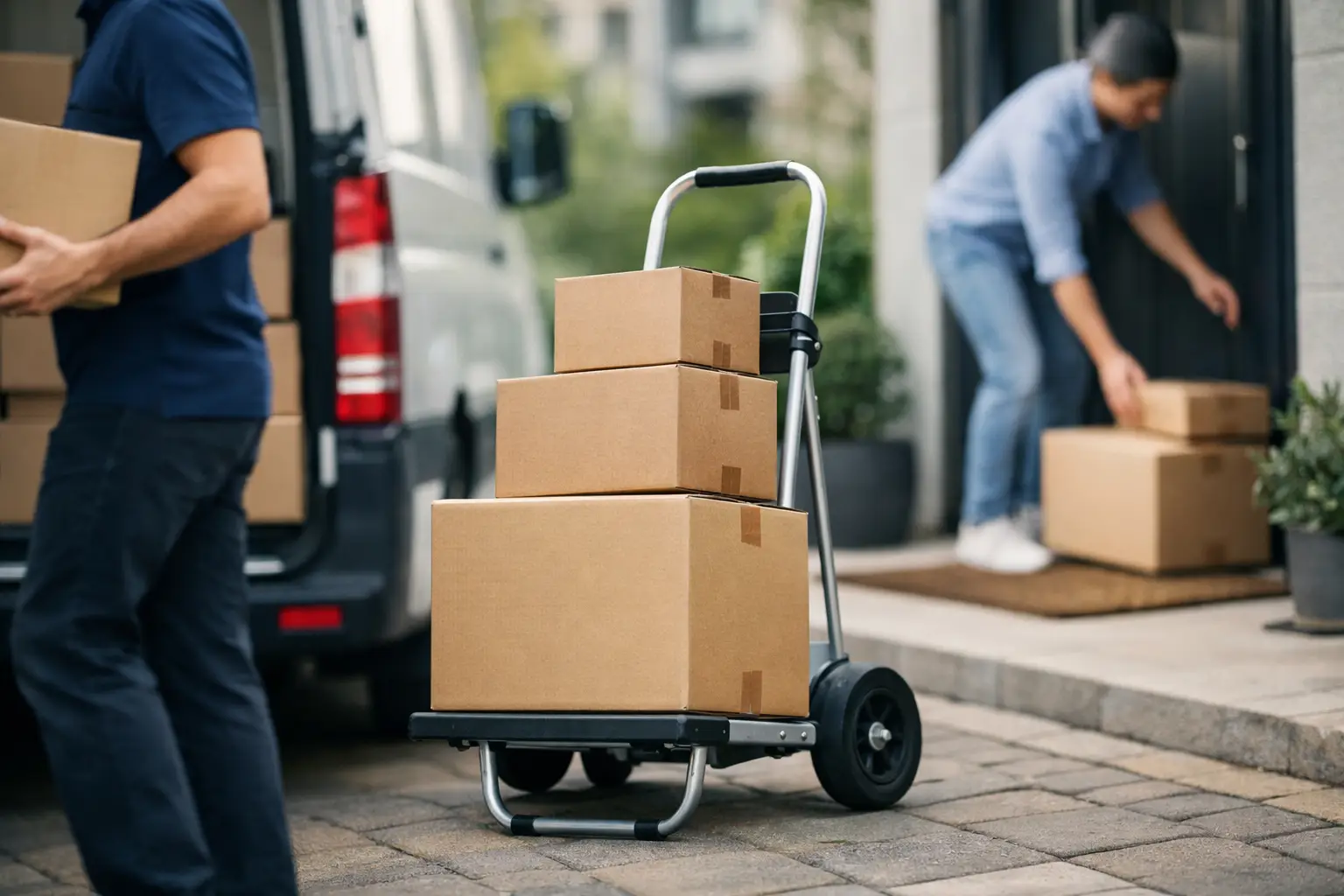
Completing a delivery on the first attempt is fundamental to last-mile economy. Because going out a second time for the same order wastes not only fuel but also time, planning, and capacity. Moreover, this creates a chain reaction; each rescheduled job disrupts the performance of other deliveries.
Therefore, customer address verification, pre-delivery notification, live location sharing, and delivery time window management are directly critical in terms of cost. If the customer knows when they will receive their delivery, the rate of presence at the address increases. If address information is verified during the ordering process, the courier does not waste time in the field.
In some sectors, the promise of same-day delivery creates a sales advantage. However, trying to deliver every order at the same speed can generate unnecessary costs. Distributing non-urgent orders at times suitable for regional consolidation is a more efficient model for most businesses. The right balance here is to segment the speed promise without compromising the customer experience.
One of the quickest ways to reduce costs in field operations is to de-reliant on individuals in the decision-making process. If the operations center handles every assignment manually, field information is collected via phone calls, and delivery statuses lag behind, the efficiency limit is reached early.
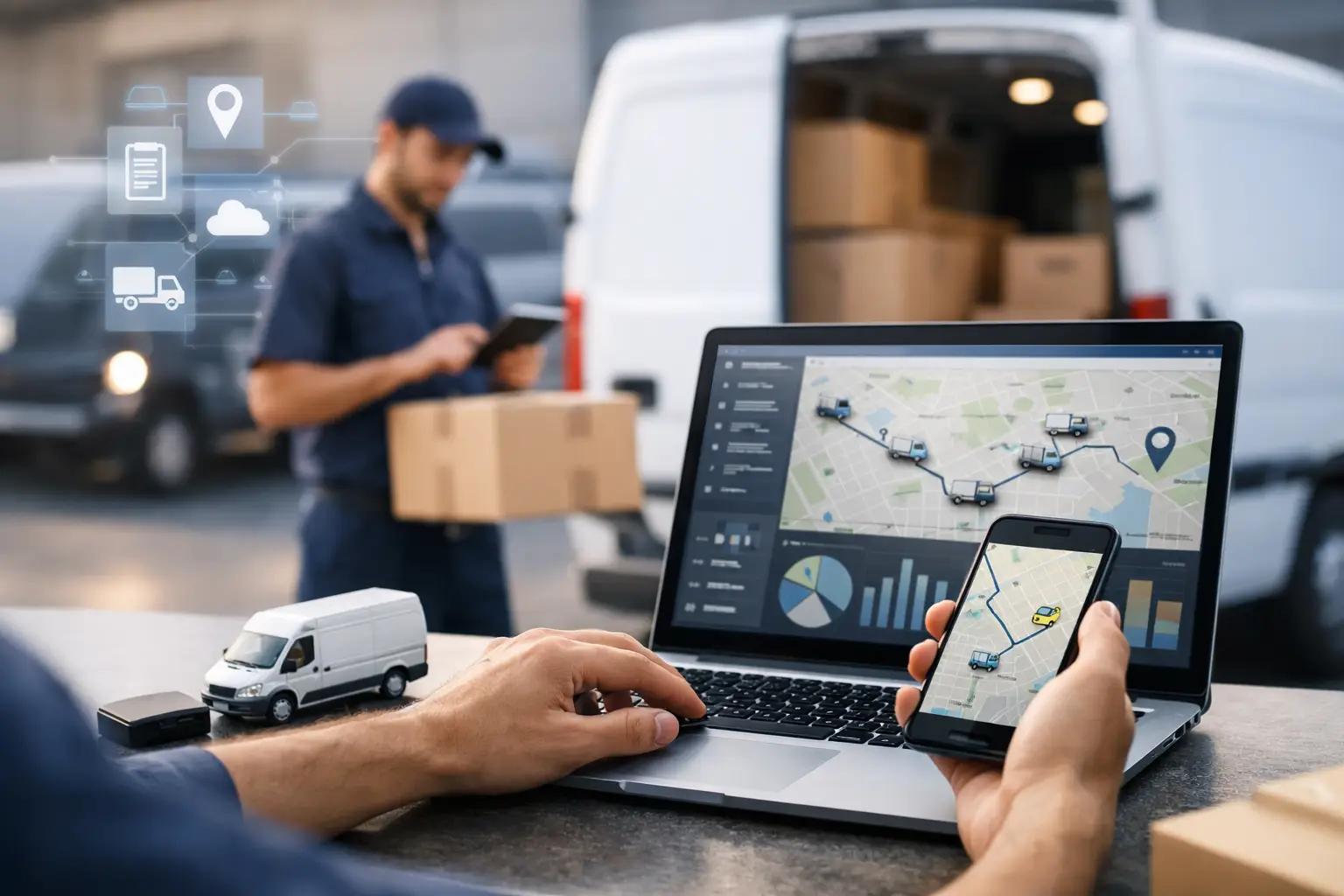
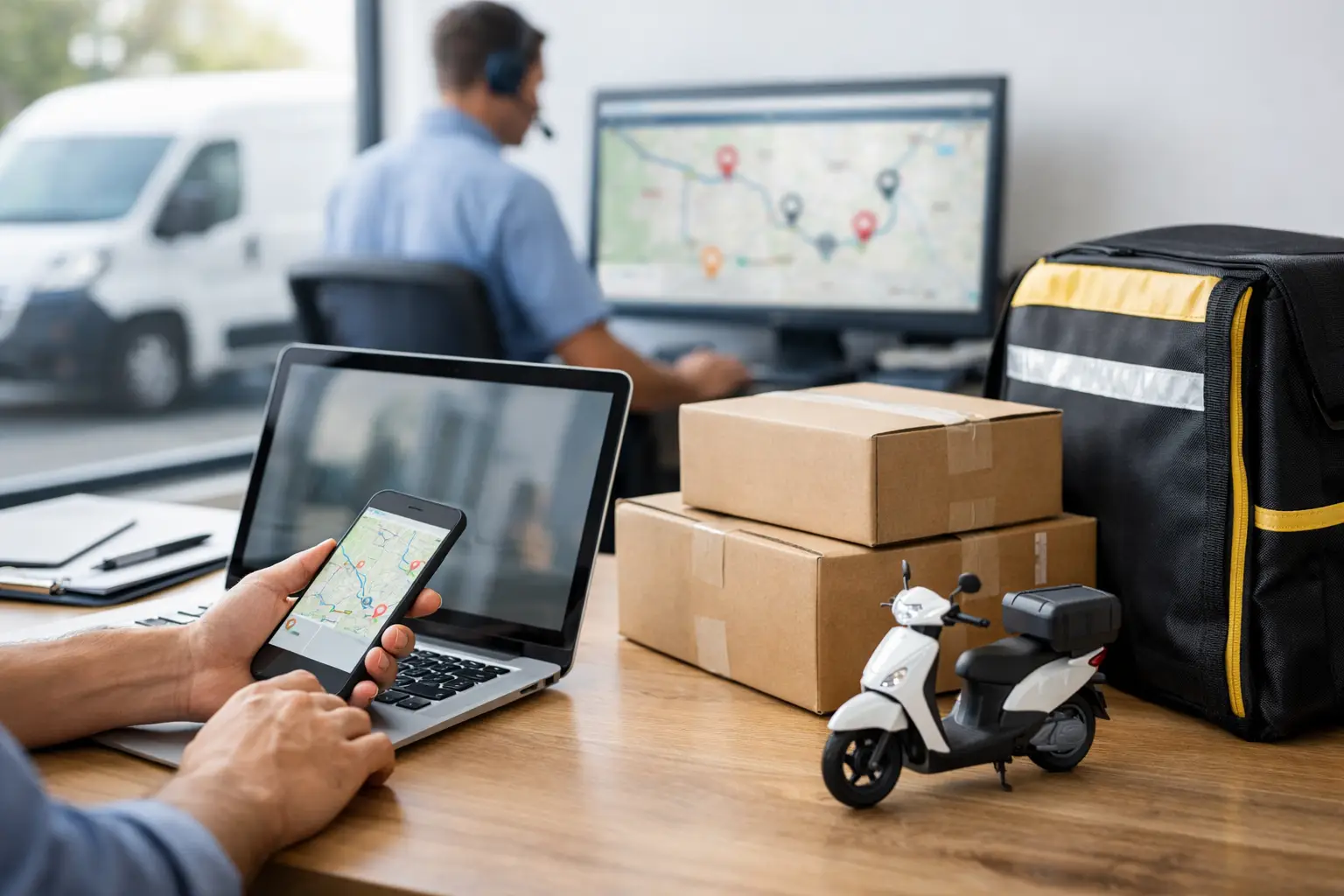
Software-based courier and delivery management makes a difference at this point. Automatic order assignment, live courier tracking, route deviation monitoring, delivery proof collection on a single screen, and instant performance reports make cost control practical. This approach not only speeds up daily operations but also reveals how many couriers are needed in each region, at what times bottlenecks occur, and which delivery types reduce profitability.
Therefore, delivery-focused digital infrastructures like Sentigo should be considered not just a tracking tool, but an operational decision-making mechanism. Especially in growing businesses, manual methods may work for a while, but then costs grow without being noticed.
If e-commerce systems, ERP systems, call centers, warehouse management, and courier operations are not functioning in isolation, losses in the final stages are inevitable. Delayed order information, incomplete address data, manual return processing, or delayed delivery status updates directly create additional costs in the field.
Integration here is not a technical luxury, but a cost control tool. Data must flow automatically from the moment an order is placed in the system until delivery is completed. This reduces manual data entry, lowers error rates, allows for earlier planning, and ensures accurate information is conveyed to the customer. Especially in high-volume operations, a few minutes of data delay can translate into significant capacity losses by the end of the day.
The way to reduce the cost of the last mile isn't always to grow your own fleet. For some businesses, a hybrid model is more efficient. Using your own courier structure in high-density areas and outsourcing in low-volume or volatile regions can yield more balanced results.
Similarly, investing in micro-warehouses, dark stores, or regional outlets may not be right for every company. If order volume isn't sufficient, this structure increases fixed costs. Conversely, for brands with high-volume urban distribution, intermediate outlets located near the warehouse can significantly reduce delivery time and cost. The decision should be based on field data, not industry generalizations.
The pressure frequently faced by decision-makers is: faster delivery, lower costs, and higher customer satisfaction. In practice, these three goals are not always achieved at their maximum level simultaneously. Therefore, the operational strategy must be clear.
For example, higher costs may be tolerable for faster delivery in the premium customer segment. Conversely, in the standard delivery group, route concentration can be implemented by extending the time window. Instead of managing all orders with the same service level, designing delivery options on a segment basis establishes a more sustainable model.
The most realistic answer to the question of how to reduce last-mile costs is this: without visibility, automation, and continuous optimization, costs will not decrease permanently. A few weeks of close monitoring might improve the numbers, but without a system, the old disorganization will return.
Therefore, businesses need to consider not only today's delivery volume but also the pressure they will face as they scale. As the number of couriers increases, delivery areas expand, and order channels multiply, the manual management model becomes fragile. Strong route planning, live tracking, integrated data flow, and performance reporting connect the operation to the system, not to individuals.
The real gain in the last mile is not about running one less vehicle, but about managing the same operation with more control. When control increases, costs decrease, delivery quality is maintained, and growth continues with less friction. That's precisely why the last mile is not just the final step in distribution, but the most critical decision point for logistics profitability.
This content has been prepared by the Sentigo Editorial Board.