 English
 Turkish
 05 MAYIS 2026



Even if the kitchen is working well during the busiest 90 minutes of evening service, if the delivery side is weak, the entire operation slows down. Orders are prepared, couriers mix up the queue, customers are given incorrect delivery times, and the accumulated delay directly impacts points, turnover, and repeat orders. Therefore, a restaurant courier program should be considered not just a simple screen for tracking couriers, but an operational center that manages delivery performance.
Especially for multi-branch restaurants, cloud kitchens, and brands looking to build their own distribution network, courier management is no longer sustainable with manual methods. Phone calls, paper lists, and instant messaging groups offer short-term solutions. However, as order volume increases, visibility is lost, control is dispersed, and managers cannot access reliable data to make decisions.
Delivery is now an integral part of the restaurant experience. Customers evaluate the quality, temperature, and delivery time of their food as a single experience. Therefore, kitchen performance and field operations cannot be considered separately.
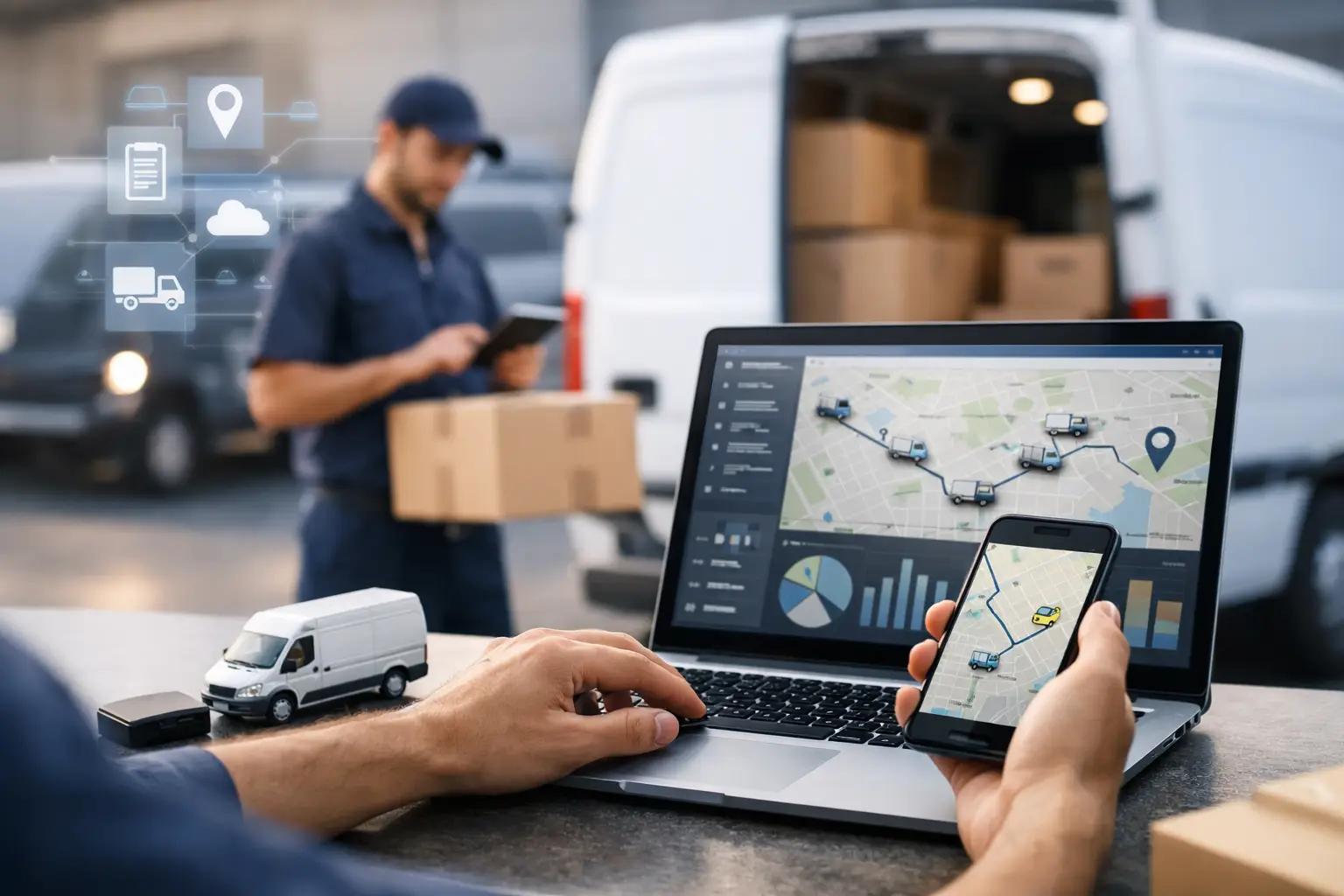
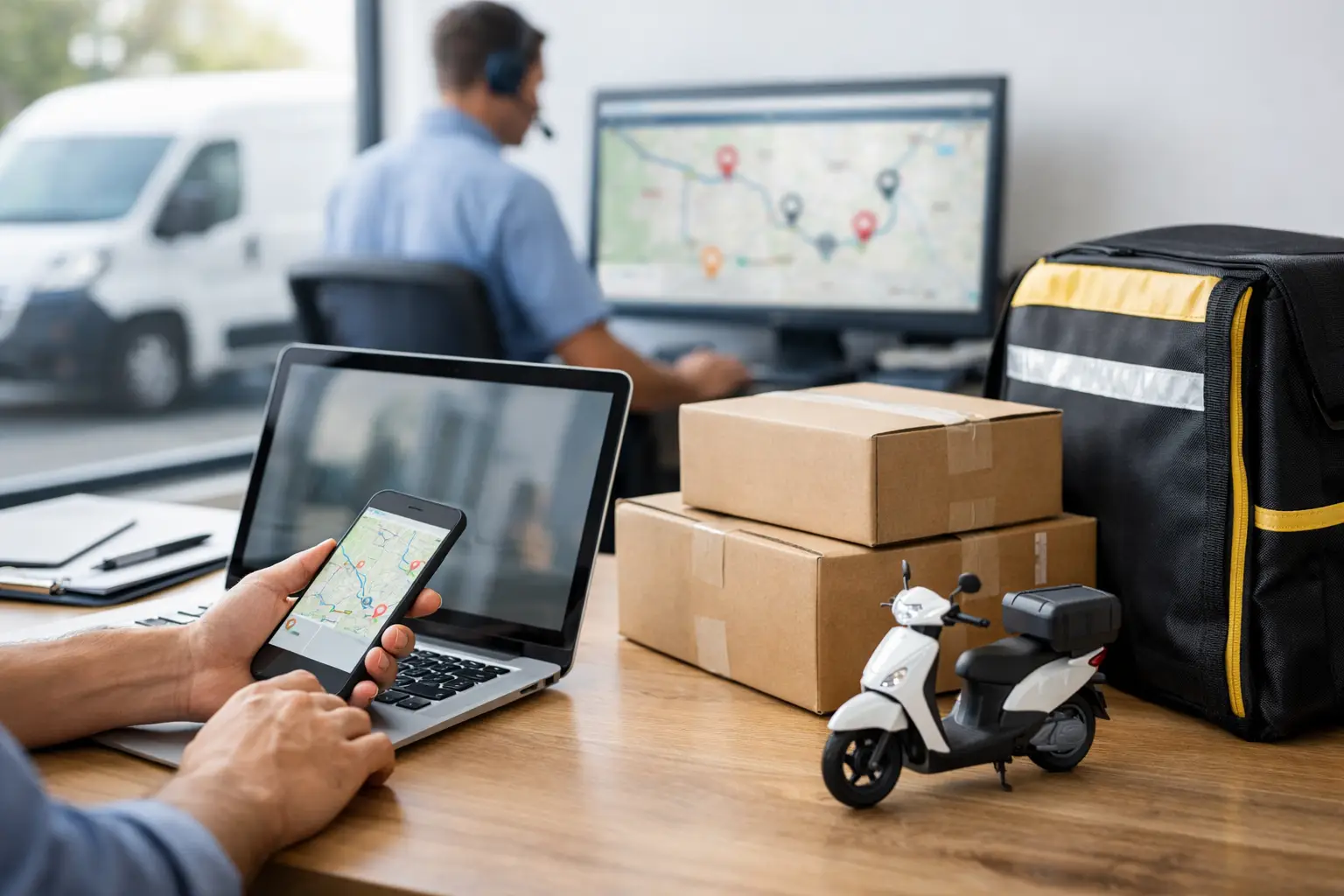
At this point, a restaurant courier program makes the entire process, from order placement to delivery completion, visible. Questions like which order is ready, which courier is on which route, which delivery is delayed, and which areas are experiencing congestion are answered from a single panel. For the operations manager, this means clear – management by data, not guesswork.
Another critical issue is cost control. Unnecessary waiting in distribution operations, poor route planning, and unbalanced courier assignments create losses greater than they appear. Achieving more deliveries with the same number of couriers is only possible with the right software infrastructure.
A well-designed system first reduces daily disruptions. Frequently recurring operational questions such as who will be assigned the order, how long will the courier take to return, and how will the customer receive information about delays are automated. The communication burden on the team decreases, and the error rate also drops.
In addition, the software provides the manager with a snapshot of performance. Peak hours, delivery times, branch-based efficiency, number of orders per courier, and reasons for cancellations can be regularly monitored. Without this visibility, improvement efforts are often based on assumptions.
A good solution also supports growth. The needs of a single-branch operation are not the same as those of a five-branch operation. The program should be flexible enough to accommodate new users, new regions, and new workflows as order volume increases.
The first need in courier management is the ability to see the real-time location and delivery status. Live tracking doesn't just mean tracking a vehicle on a map. The order preparation phase, assignment to a courier, departure, and delivery should be trackable in a single flow.
This visibility is also valuable from the customer's perspective. Uncertainty regarding delivery times, especially in busy areas, is one of the main reasons for customer dissatisfaction. Providing customers with more accurate delivery time information reduces call center workload and lowers the risk of cancellations.
Assigning an order to the nearest courier isn't always the best method. Courier capacity, available routes, regional density, and order priority should be considered together. Therefore, it's important for the system to have a smart assignment logic.
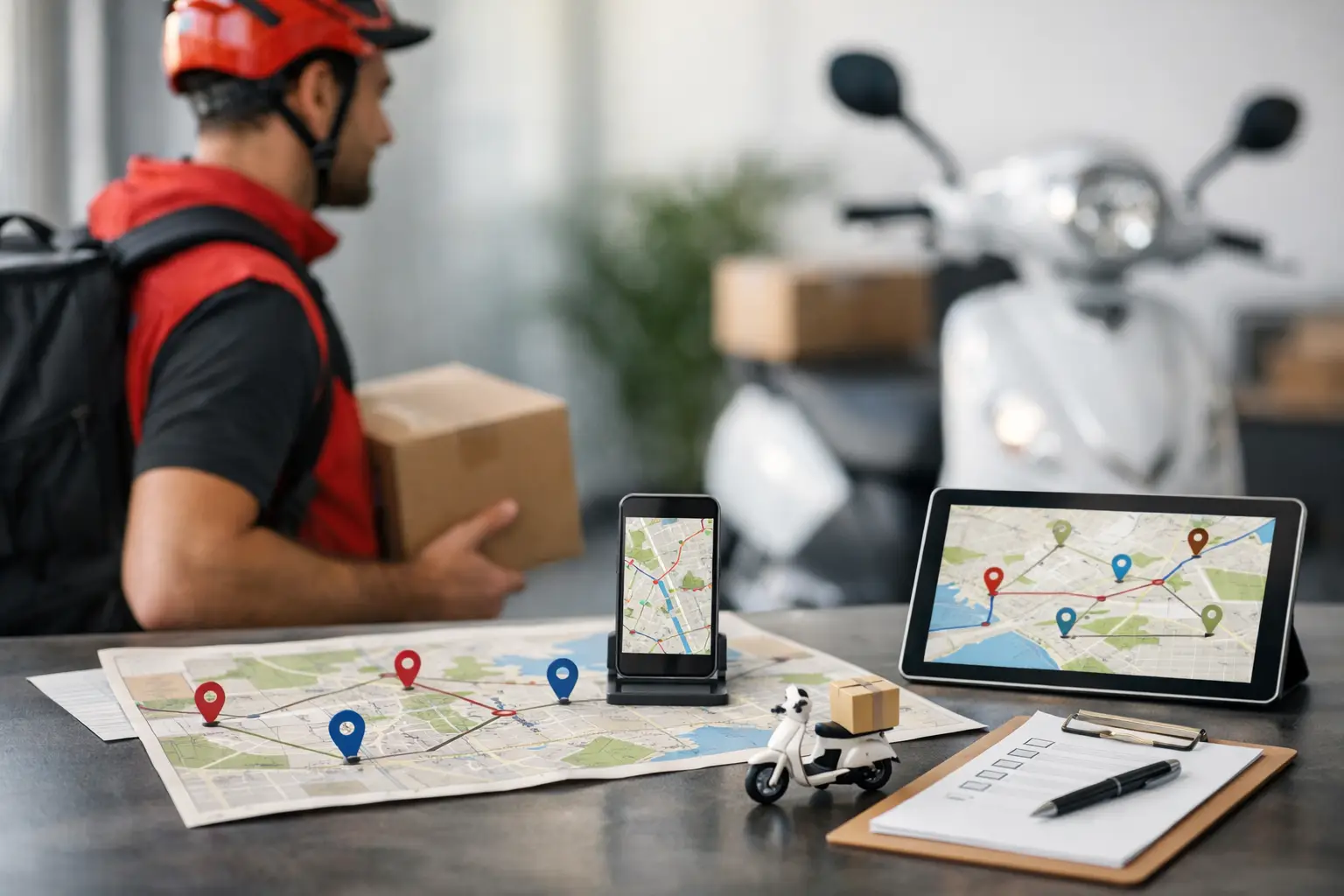
Route planning is similarly not just about distance calculations. Traffic, multiple deliveries, waiting times, and branch exit density must be taken into account. Especially in large cities, a few minutes of improvement can make a significant operational difference at the end of the day.
If the courier's experience is weak, operations will falter regardless of how powerful the central control panel is. The mobile application needs to be simple, fast, and easy to use in the field. Couriers should be able to receive orders, view delivery details, update status, and seamlessly switch to navigation flow when needed.
The critical point here is training time. Complex applications create resistance in the field. Especially in shift-based or variable team structures, a user-friendly interface directly affects the speed of adaptation.
A restaurant's delivery operation doesn't work in isolation. POS systems, e-commerce infrastructure, call centers, marketplace order flows, and payment systems are often interconnected. If the restaurant's courier program remains outside this structure, data duplication and manual processing burden will occur.
Strong API integrations become crucial here. Order display on a single screen, synchronized status information across systems, and reports from a single source accelerate decision-making processes. Delivery-focused technology infrastructures like Sentigo offer a centralized structure that prevents the fragmentation of operations.
You can't improve an operation you can't measure. Therefore, the reporting side of the program is not just about...The system shouldn't be limited to showing the number of orders delivered. Metrics such as average delivery time, preparation waiting rate, regional congestion, failed delivery rate, and courier performance should be regularly monitored.
For managers, the real value lies in translating this data into actionable insights. Reports clarify questions such as when additional couriers are needed, which regions benefit most from a micro-delivery model, and which branches experience delays due to internal processes.
The short answer is no. The needs of a single-branch boutique restaurant are not the same as those of a chain brand managing hundreds of orders daily. Therefore, when choosing software, one should look not only at the feature list but also at the operational model.
For example, basic courier assignment and tracking may suffice for low-volume businesses. However, businesses with rapidly changing order volumes, serving multiple regions, or planning to expand their own delivery teams should seek more advanced automation, detailed reporting, and integration capabilities.
Another difference lies in the organizational structure. Some restaurants prefer centralized operations management, while others prioritize branch-based control. The chosen system needs to be flexible in authorization, role management, and multi-branch scenarios.
The most common mistake is making the decision based solely on price. Low license costs may seem advantageous at first glance. However, operational losses may be higher due to lack of integration, inadequate reporting, or poor user experience.
The second mistake is not involving the field team in the process. Adoption problems arise when feedback from teams using the courier application daily is not received. Even if the admin panel is powerful, the system's efficiency decreases if field use becomes difficult.
Another mistake is not considering the growth plan. Solutions chosen for today's needs but becoming insufficient after six months lead to reinstallation costs. Therefore, when making a selection, the need for medium-term scaling should be evaluated as well as the current situation.
Successful implementation is not achieved simply by launching the software. First, the existing operational flow must be clarified. Which channels are orders coming from, who is making assignments, what is the branch and region breakdown, what metrics will be used to measure performance – if these questions are not clear, the software will be used haphazardly.
A pilot application approach is healthier for most businesses. The system, first tested in a specific branch or region, is optimized with real field data. This allows user habits, integration details, and reporting needs to be clarified before the full transition.
Training should also not be neglected. Managers, operations teams, and couriers have different expectations from the system. Preparing a simple and task-oriented transition plan for each user group significantly shortens the adaptation period.
The right restaurant courier program doesn't just speed up delivery. It makes delivery times more predictable, improves customer communication, increases courier efficiency, and creates a measurable performance basis for management. The result is lower operational friction and a higher service standard.
It also has a direct impact on brand perception. Customers often don't see the software in the background, but they notice timely orders, accurate information, and a consistent experience. Operational discipline is perceived as trust from the outside.
As delivery volume grows, courier management ceases to be a support function and becomes a competitive advantage. Therefore, software selection should be considered not just a technical purchase, but an investment in operational capacity. The right decision not only better manages today's orders but also makes tomorrow's growth more controlled.
This content has been prepared by the Sentigo Editorial Board.