 English
 Turkish
 05 MAYIS 2026


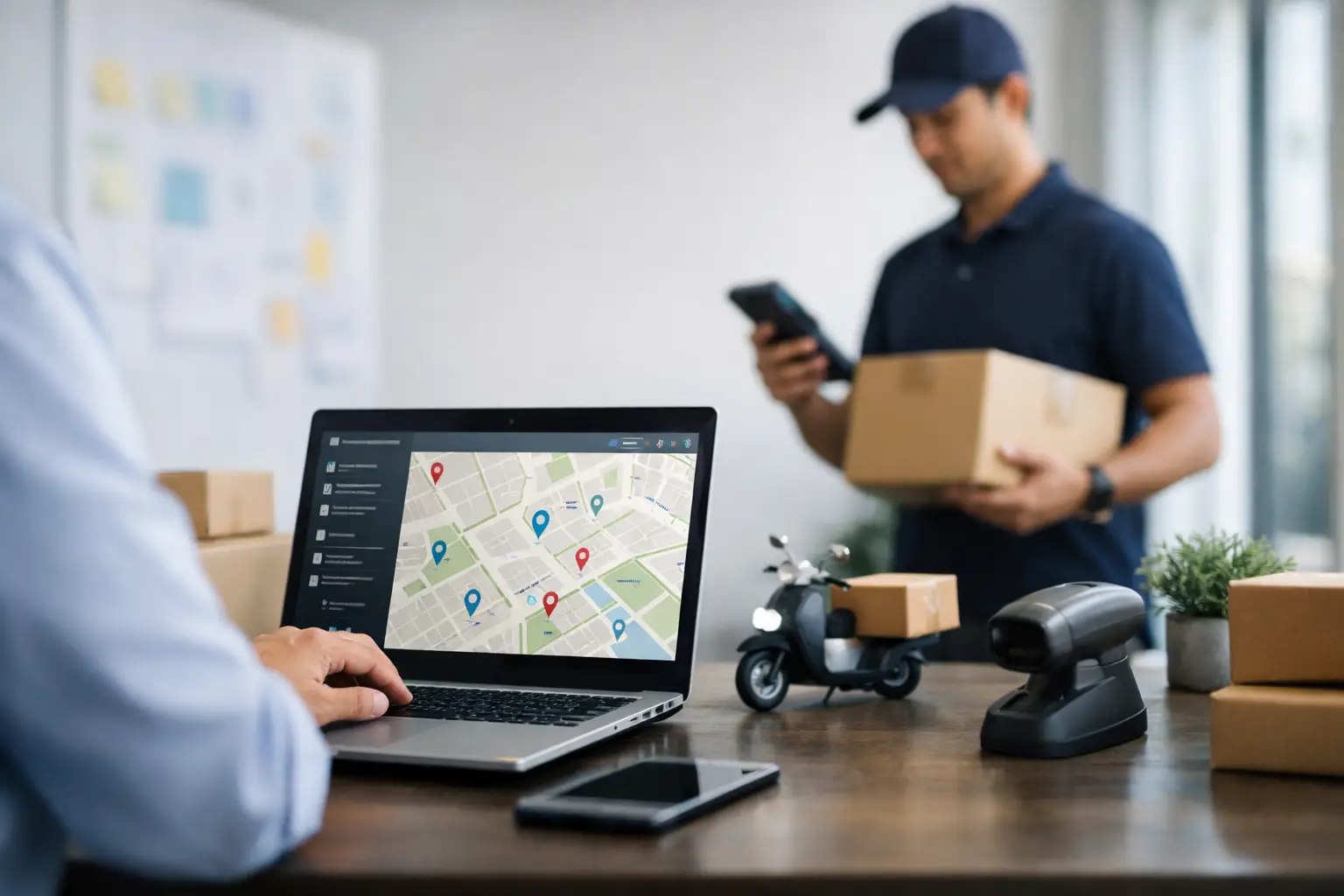
When a delivery is delayed, the problem is often not just traffic. The real issue is the inability to simultaneously manage at what stage the order is stuck, where the courier is, what the customer has been told, and what the operations team is missing. Therefore, the question of how to choose courier operations software is not just a technology investment, but a decision directly related to service quality and profitability.
There are numerous courier management solutions on the market. However, not every software is suitable for every operation. Especially for businesses operating in busy cities like Istanbul, the right system shouldn't be just a task-assigning panel. It should make the entire operation visible and manageable, from real-time tracking and route optimization to integration and reporting.
A common mistake in software evaluation is starting with a feature list. First, you need to define your own operational model. How many deliveries are made daily, what is the delivery area, how many couriers are working simultaneously, which channels do orders come from, and what is the customer's expected delivery experience? Any decision made without clarifying these questions will quickly generate additional costs.
For example, restaurant deliveries and e-commerce last-mile delivery don't have the same software expectations. For restaurants, speed, proximity, and real-time courier routing are key. In e-commerce, time-scheduled delivery, return management, customer information, and integration capabilities may be more critical. Therefore, the right software isn't the one that looks strong in theory, but the one that best fits your operational workflow.
At this stage, focus on your own bottlenecks, not the software provider. Where do delays occur most frequently, which tasks does the team handle manually, and under what headings are customer complaints concentrated? When the selection process proceeds based on this data, the technology investment pays for itself more quickly.
It's easy for a courier operations software to look powerful. The real question is whether it produces measurable improvements in the field. Therefore, when evaluating, it's necessary to look at the results of the work rather than just the number of screens.
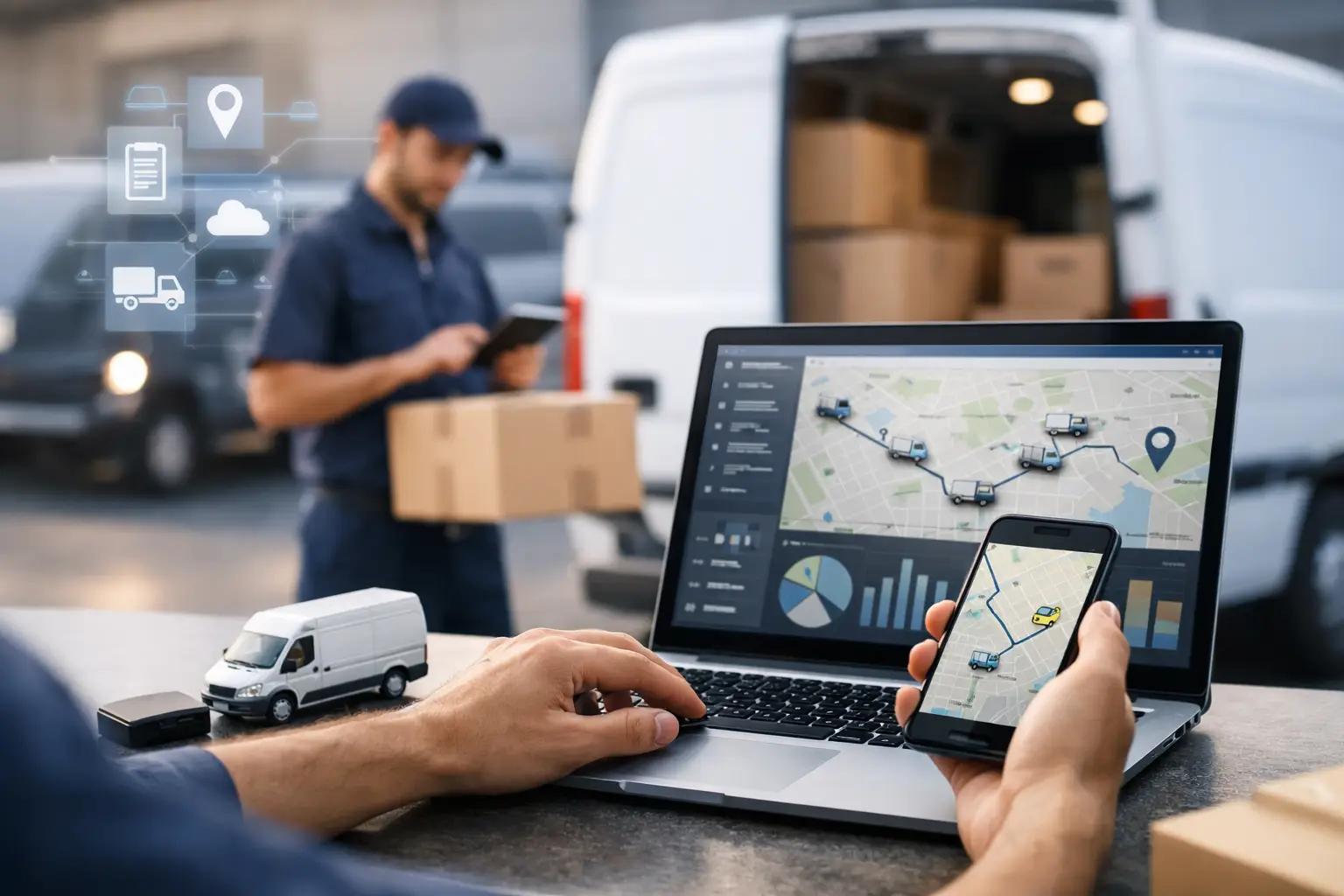
Live courier tracking is a fundamental need here. However, simply seeing the location on the map is not enough. The operations center must be able to monitor the stage of the order, the estimated delivery time, and potential delays in real-time. This allows for action to be taken before problems arise.
Route planning is similarly a critical aspect. A simple delivery list is not the same as actual route optimization. The system must be able to intelligently distribute tasks, taking into account delivery density, regional clusters, traffic conditions, and courier capacity. Otherwise, even with software, operations will continue with outdated reflexes.
The mobile application side should not be neglected either. If the interface used for the courier is slow, complex, or not suitable for real-world usage conditions, the order established at the center will be disrupted in the field. The courier needs to be able to quickly receive the task, easily confirm the delivery, add evidence when necessary, and access route information effortlessly.
Courier management isn't a standalone system. The order originating channel, the payment system, and the customer data storage area might all be different. Therefore, a software's quality isn't limited to its internal functionality; its seamless integration with existing systems is also crucial.
If integration with ERP, e-commerce infrastructure, marketplace systems, call centers, accounting software, or CRM isn't possible, operations become fragmented. This leads to data duplication, increased manual workload, and higher error rates. For growing businesses, systems with weak API infrastructure quickly create limitations.
The key here is not just whether integration is technically feasible, but also whether it's implementable and sustainable. Are ready-made connections available? Is data flow bidirectional? Are order statuses automatically updated? Is flexibility offered for specific scenarios? This is precisely the area that technical teams and operations managers need to evaluate together.
In courier operations, the feeling of control and actual control are often different. While monitoring a few screens might seem sufficient for management when hundreds of deliveries are made daily, strategic decisions cannot be made without data. Therefore, the reporting side is just as important a part of software selection as route planning and mobile application design.
A good system should clearly present metrics such as delivery time, on-time delivery rate, reasons for failed deliveries, efficiency per courier, regional density, and cost per order. This data is necessary not only for reviewing the past but also for accurate future planning.
It is also important that reporting screens are understandable to managers. Not every piece of data is useful. What decision-makers need is a quick overview of the operational picture. Therefore, a customizable dashboard structure and viewing options based on different user roles provide a significant advantage.
Software that seems suitable for you today may be inadequate in six months. Scalability is a critical criterion, especially for businesses experiencing increased order volume during campaign periods, expanding into new regions, or planning to experiment with different delivery models.
Two questions should be asked here: Can the system handle the increasing number of users and orders without performance loss? Secondly, can it adapt to new operational scenarios? For example, can motorcycle courier services, vehicle-based deliveries, scheduled shipments, or multi-warehouse structures be managed on the same platform?
Without flexibility, scalability is incomplete. Because growth isn't just about increased volume; it's about diversification of processes. While software that mandates a fixed workflow might seem to provide order initially, over time it starts to work against the natural needs of the operation..
When purchasing courier operations software, you're not just choosing the product, but also the team that developed it. Therefore, the supplier's industry knowledge, how they manage support processes, and their commitment to the project directly impact the results.
A team that truly understands delivery operations will offer viable solutions instead of promises that look good in demos but don't translate into real-world results. Installation time, training approach, go-live plan, and post-production support model are crucial factors. Especially in structures where downtime is costly, quick turnaround and technical accessibility make a huge difference.
When reviewing references, focusing solely on brand size isn't the right approach. You should look at how the solution performed in similar operational types. A solution that works well for a small but high-volume intra-city distribution network may not have the same impact on a large but planned delivery operation.
A key value for logistics-focused technology providers like Sentigo is their approach to software, treating it not just as a set of screens, but as a tool for operational transformation. This is what truly makes the difference for decision-makers.
Demo sessions often showcase the software's strongest points, which is natural. However, to improve decision-making, it's necessary to ask challenging questions during the demo. How does the system behave when order volume suddenly increases? How functional is the application when the courier's internet connection is weak? How does the workflow proceed when a delivery fails? How detailed is user authorization?
Also, if possible, request testing with your own scenario. Instead of ready-made examples, working with a scenario closer to your actual operational flow will show you more quickly how well the software suits you. Small glitches, especially in integration, reporting, and mobile usage, can create significant friction in live operations.
Clarify your pricing model at this stage as well. Is it user-based, transaction volume-based, or are additional modules charged separately? A seemingly low initial cost can increase the total cost of ownership with additional development and support needs.
In courier operations, good software enables the team to achieve more control with less effort. When making decisions, focus on the clearest operational benefit, not the most features. Software creates value when visibility, speed, integration, reporting, and scalability work together.
The best choice is a solution that meets today's needs and doesn't hinder tomorrow's growth. If you want to build a structure that simplifies as operations become more complex and allows for clearer decisions as data increases, manage the selection process based on the actual workflow in the field, not just the product catalog.
This content has been prepared by the Sentigo Editorial Board.