 English
 Turkish
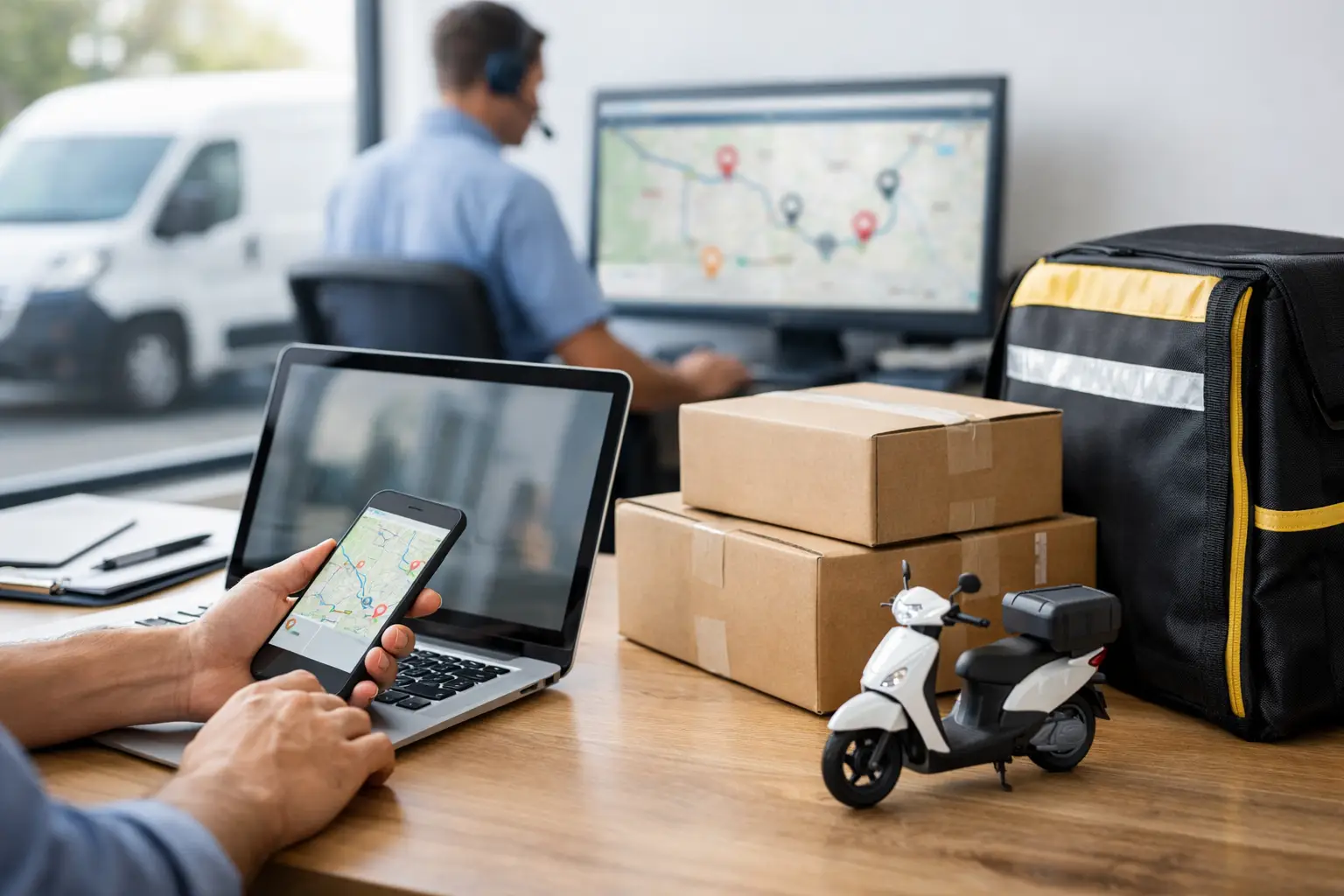
 05 MAYIS 2026


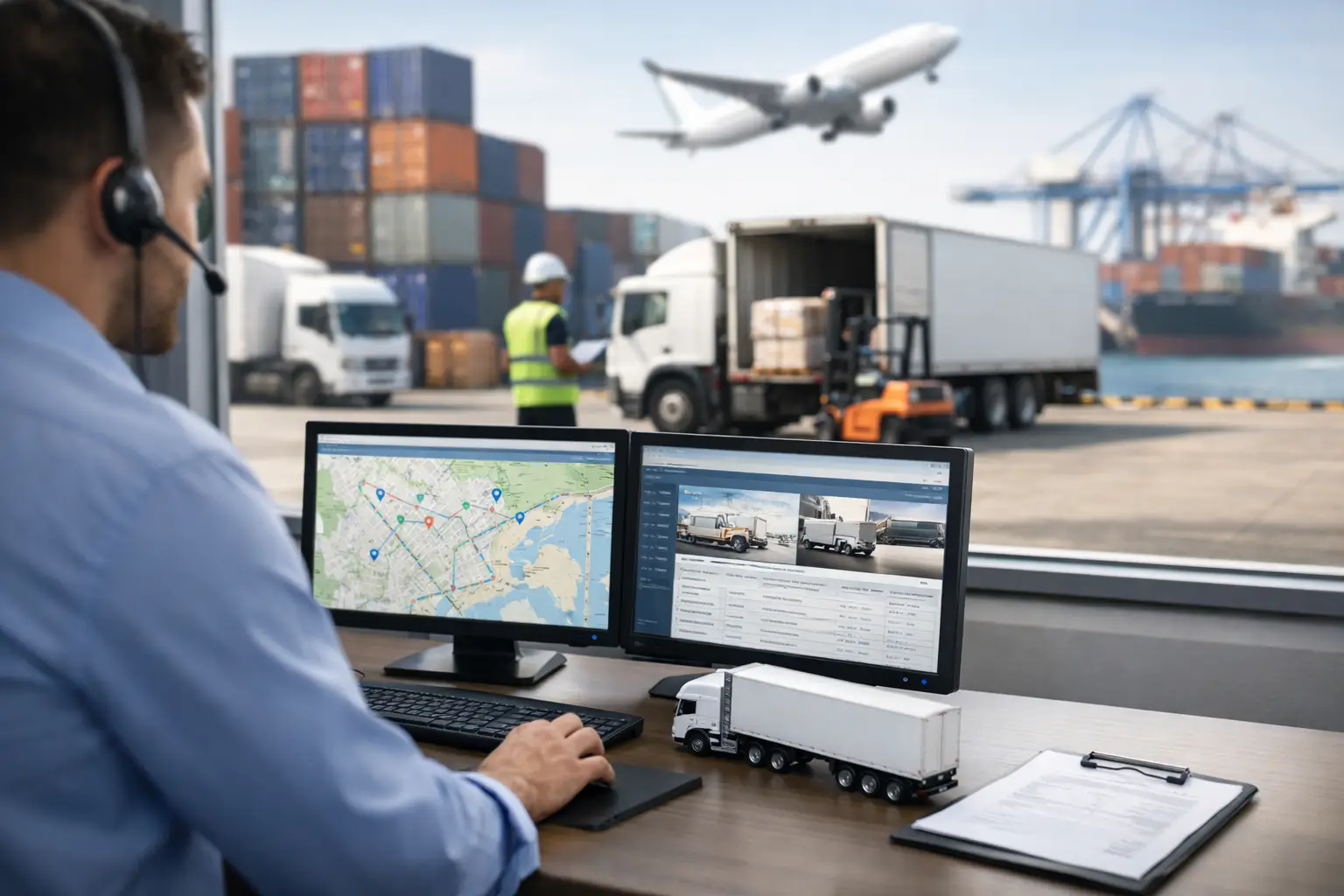
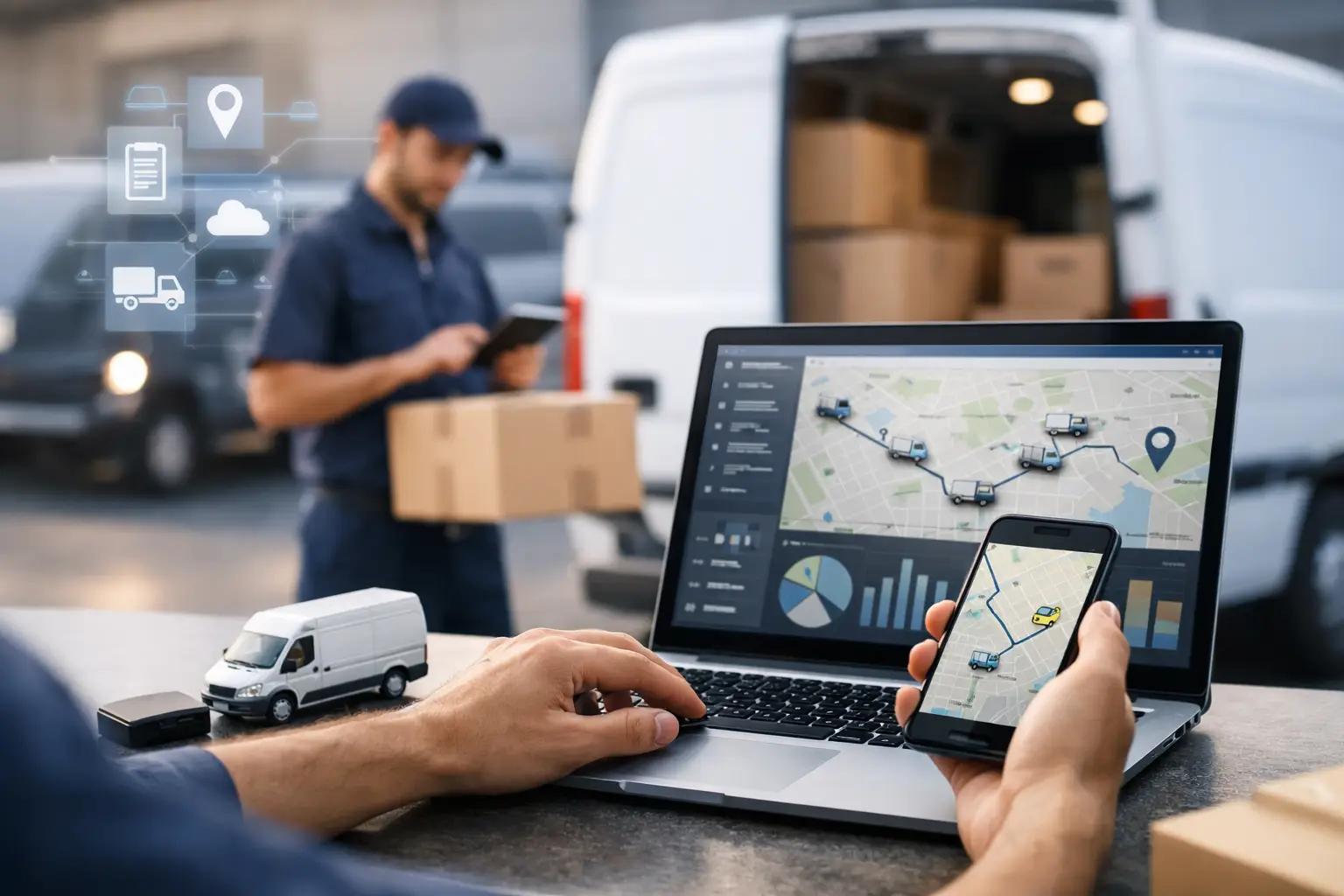
On the shipping side, the problem is often not a shortage of vehicles or increased demand. The real breaking point is the loss of control between the moment the order is received and the moment the delivery is completed. Shipping management software bridges this gap. It prevents the operation from being fragmented between phone calls, Excel spreadsheets, WhatsApp groups, and driver initiative; it brings planning, tracking, routing, and reporting together in a single structure.
For businesses involved in logistics, distribution, field delivery, and multi-point shipping, this is no longer a technology choice, but an operational standard. Because every delayed delivery, incorrect route, missing information flow, and unverified delivery record directly impacts costs, customer satisfaction, and team productivity. This is where the value of the software begins: greater visibility, faster response, and measurable performance.
At its most basic level, this software enables the end-to-end digital management of the shipping process. An order or delivery request is entered into the system, the task is assigned to the appropriate vehicle or driver, a route is created, movement is monitored in real-time, and delivery information is recorded. However, the real difference comes not from the individual digitization of these steps, but from their interconnected operation.
For example, when a shipment is delayed, simply seeing the vehicle's location on the map isn't enough. The reason for the delay, the estimated arrival time, affected customers, upcoming deliveries, and the need for alternative routing should all be readable on the same screen. A well-designed shipment management system doesn't just show data to the operations team; it enables decision-making.
Many businesses can manage their shipment operations manually up to a certain volume. Directions are given by phone, drivers provide information throughout the day, and deliveries are checked at the end of the day. At first glance, this method seems to work. The problem arises when the scale increases.
As the number of deliveries increases, it becomes difficult for teams to access the correct information simultaneously. The customer representative provides one piece of information, the operations team monitors another screen, and the driver acts with a different priority in the field. This disconnect generates internal operational costs as well as delivery failures. Because time is lost not only on the road but also while searching for information.
Shipment management software reduces this invisible cost. Centralized monitoring, status-based updates, delivery proof, task history, and live operation screens allow teams to operate on up-to-date data, not guesswork.
Not all software produces the same results. A modern-looking interface or map tracking alone is not enough. For businesses aiming for growth, the operational depth of the software is crucial.
Fixed route logic works in some operations, but it is insufficient in multi-point and variable-density distribution structures. Planning without considering delivery priority, traffic density, vehicle capacity, regional distribution, and time windows silently increases costs.
Therefore, the software needs to offer route suggestions, automatically or semi-automatically assign tasks, and generate new plans based on changes in the field. Systems that cannot adapt to the real pace of operations quickly become screen overload.
Seeing the real-time location of vehicles and couriers in the field is now a basic need. But the real value lies in processing this data within an operational context. Which delivery is delayed, which driver is behind schedule, which area is creating a bottleneck, which customer carries an SLA risk – the answers to these questions must be clear.
The live tracking screen should function not just as a monitoring panel, but as an intervention center.
The mobile application used by the driver or courier directly affects operational success. Actions such as initiating deliveries, updating status, uploading proof of delivery, obtaining signatures, adding photos, and adding notes should be performed quickly and accurately in the field.
Complex screens are not used in the field. An unused feature is not an investment. Therefore, it is critical that the mobile experience is simple, fast, and operates with a low error rate.
The main question for managers is: How much efficiency has this system brought us? The answer lies in reporting. Metrics such as on-time delivery rate, number of deliveries per vehicle, reasons for failed deliveries, regional congestion, driver performance, and cost per operation should be regularly monitored.
Without reporting, there is no improvement. Because it is difficult to improve an operation that you cannot measure.
Shipping software often doesn't work standalone. It may require data exchange with ERP systems, e-commerce infrastructure, order management systems, CRM, accounting, or customer information platforms. Therefore, a strong API structure is a critical selection criterion at the enterprise level.
If integration is weak, teams start copying data. This increases the error rate and...It increases operation time.
Such systems are not only necessary for companies managing large fleets. They also make a significant difference for retail brands promising same-day delivery, manufacturers doing field distribution, companies shipping products to dealer networks, technical service organizations, and businesses providing fast intra-city delivery.
The impact of software is more visible, especially in sectors where delivery expectations are high on the customer side. Because now customers want to know not only when the product arrives, but also when it will arrive. The operations side has to manage this expectation with a system, not with phone calls.
In SMEs, the benefit emerges at another point. Small teams have to use human resources carefully. Software provides better control here instead of additional personnel. In corporate structures, standardization, scalability, and multi-team coordination come to the forefront.
A common mistake made by decision-makers is evaluating the software based on the screen. However, the real question should be: How well does this system fit our operational model? Because every shipment structure is different.
The needs of a business that uses planned distribution differ from those that manage real-time task flows. Some structures place more emphasis on delivery verification, some prioritize route optimization, and some cannot progress without deep integration. Therefore, the right choice is not to buy the product that offers the most features, but to build the structure that best matches operational priorities.
Scalability is also crucial here. Will a structure managing 20 vehicles today be able to use the same system with a 60-vehicle operation six months from now? Will the software be able to adapt when a new location, new team, or new business model is added? Many choices that seem like short-term solutions will require reinvestment during growth periods.
Even the best software will not deliver the expected results with incorrect setup. Initially, a clear process map needs to be established. Which channel does the order come from, how is the task created, who assigns it, what steps are involved in completing the delivery, how are exceptions handled – setting up a system without clarifying this flow is not healthy.
In the next stage, user roles should be defined, and the usage scenarios for operational teams and field teams should be addressed separately. The needs of someone working at a desk are not the same as the needs of a driver. Training is critical here, but it should be brief. Teams want to see practical application in their daily workflow, not just theoretical explanations.
Choosing the right partner makes all the difference. Technology providers who understand the pressure points of logistics operations, offer speed in integration, and consider the realities of field use shorten the transition period. In delivery and logistics-focused platforms like Sentigo, the value isn't just about providing software; it's about ensuring measurable improvements in operations.
The return on shipment management software isn't seen in a single stroke. Fuel costs can decrease, time per delivery can be shortened, customer support burden can be reduced, the failure rate can decline, and daily throughput per team can increase. In some businesses, the biggest gains are in planning, in others in reporting and customer information.
The critical point here is: comparing the value of the software solely by license costs is incomplete. The real comparison should be with the total cost of uncontrolled operations. Late deliveries, excess mileage, manual tracking, lost information, and low visibility are often more expensive than the software cost.
As shipment operations grow, they cannot be managed by chance. If control, speed, and transparency are needed simultaneously, the answer is to build a digital backbone for your processes. The right software doesn't increase the burden on the operations team; it strengthens their decision-making capabilities. Today, the companies that make a difference will be those that have a clearer vision of the delivery process, not those that use more tools.
This content has been prepared by the Sentigo Editorial Board.